
It may well be that certain personality types gravitate toward particular genres of fiction; at the very least, it can be said that some genres embody many of the unique attributes of personality articulated in the functions of the Myers-Briggs Type Indicator (MBTI). In this system, each personality type has a dominant preference for either feeling or thinking, sensing or intuiting, which can then be further oriented toward introversion or extroversion. But what if these resulting eight preferences were reimagined as genres of fiction?
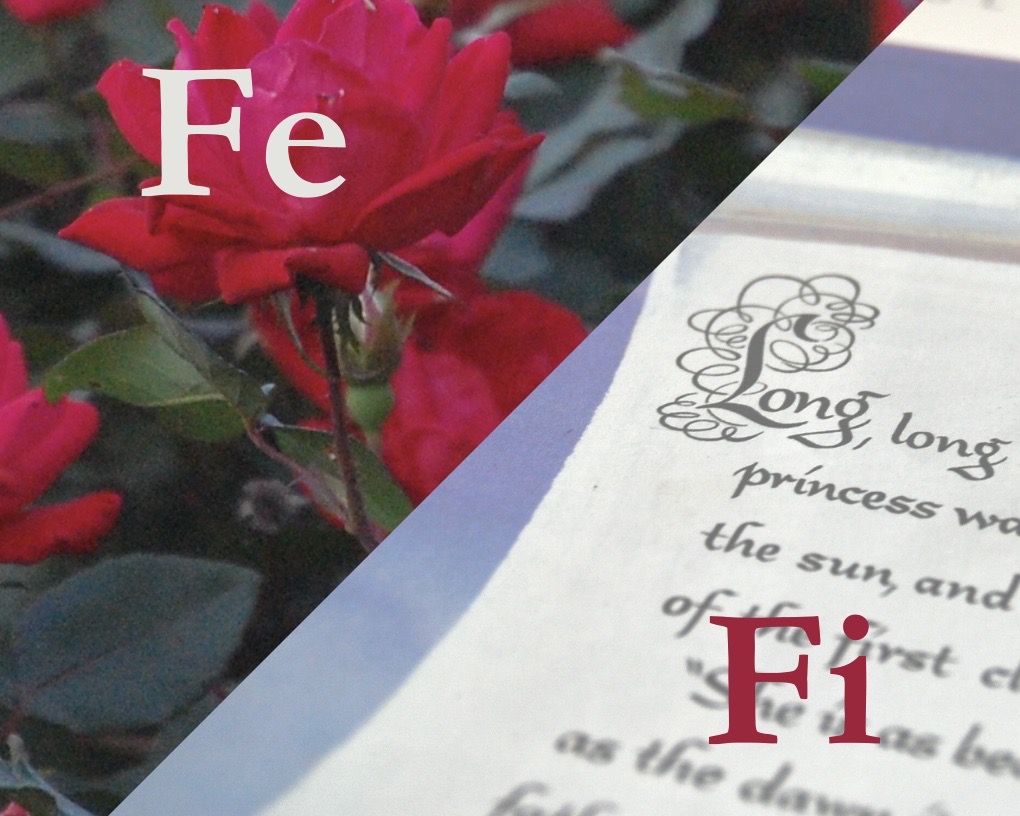
Extraverted Feeling (ENFJ, ESFJ) | Romance
As ageless as it is compelling, the interpersonal dynamic of romance delves deeply into the other-oriented nature of extraverted feeling. In the romance genre, two different personalities come together, often with the help of family and friends, and begin to experience the ebbs and flows of times of harmony and dissonance. With their keen insight into human relations, Fe-doms are particularly sensitive to the unity and understanding that couples, groups, and communities can share. Through the romance genre, extraverted feeling can see this journey through to its satifying conclusion.
Introverted Feeling (ISFP, INFP) | Fairy Tales
At their core, fairy tales use imaginative settings and magical plot devices to expound on virtuous ideals. Often working within the structure of a kingdom, fairy tales honor virtue, nobility, and prudence while not shying away from the realities of corruption, and how vice can distort character. Similarly, introverted feeling focuses on the good of an individual and their fullest potential. For both fiction and function, “happily ever after” means that despite desperate circumstances and nefarious characters, goodness wins out in the end.

Extroverted Thinking (ENTJ, ESTJ) | Western
Characteristically energetic, Westerns lean into the struggles and dynamics of ordering an untamed environment. Most of their conflict derives from jockeying agendas of how best to order and harness vast reaches of untapped hinterland; comfortable in an ad-hoc environment, yet intent on producing the most impactful result, extraverted thinking meets this conflict head-on in the Western. At once sweeping and efficient, the Western epitomizes the decisive nature of extraverted thinking, which seeks to make sense of the world and put it to rights in a logical manner.
Introverted Thinking (ISTP, INTP) | Dystopian
The dystopian genre frequently utilizes the setting of a society whose structure and logic has broken down. Introverted thinking, with its ability to understand the internal nature and logic of a thing, is quick to appreciate the causes of dystopian unraveling. Further, even within such a broken system, the detailed understanding of introverted thinking is able to act in a resourceful and innovative way with whatever tool or concept is available—as one does in a dystopian environment. On both a physical and theoretical level, this inherently challenging landscape is an ideal match for the inventive curiosity of introverted thinking.
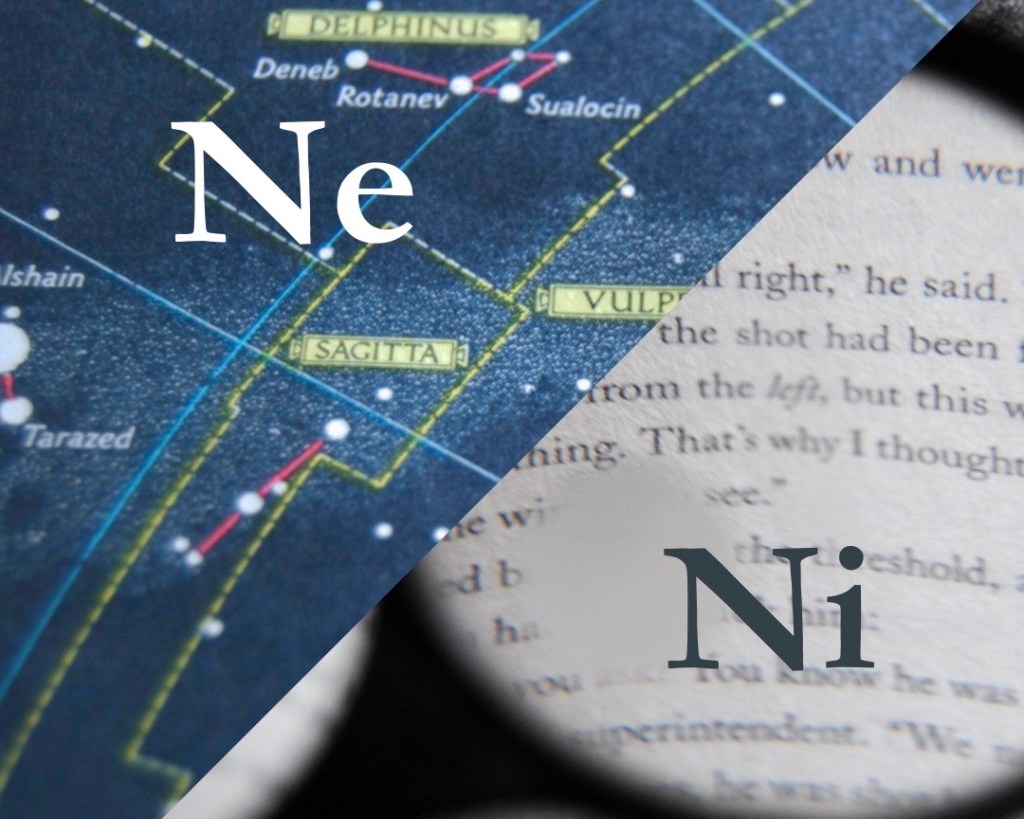
Extraverted Intuition (ENFP, ENTP) | Science-Fiction
Extraverted intuition is all about possibilities—and nowhere is that better exemplified than in science fiction. Sci-fi takes the concrete reality of what we know, and builds off of that with fiction, exploring what could be. Extraverted intuition acts very much the same way, because it sees what is, and wonders what could be—how we can work with what we have to achieve something new and unexplored. This particularly imaginative wandering is a fitting connection between function and genre for Ne-doms.
Introverted Intuition (INFJ, INTJ) | Mystery
Mysteries naturally compel us to search and assess; to see patterns, discard red herrings, understand motives, and pinpoint underlying realities. Introverted intuition, with its ready insight into unseen systems and stratagems, finds this a natural environment in which to hone its skills. Whether it’s the hunch that uncovers new evidence or the pristine logic that thwarts injustice, introverted intuition illustrates the best of the mystery genre, but frequently in ways that are themselves mysterious to others, perfectly embodying this intriguing genre.

Extraverted Sensing (ESFP, ESTP) | Fantasy
The fantasy genre, with its characteristically rich world-building and unfathomable events, strikes a complementary chord with the function of extraverted sensing, which appreciates the novelty of experience and discovery. The sensory-rich worlds of fantasy are usually the tableau for epic tales of thrill and excitement, another area of connection for adventure-loving Se doms. With an untapped wealth of new worlds to explore, fantasy is the perfect genre to exemplify the in-the-moment tenacity of extraverted sensing.
Introverted Sensing (ISFJ, ISTJ) | Historical Fiction
Historical fiction takes the factual reality that undergirds our everyday existence and reinterprets it in a manner that is accessible and intimate, full of meaning, lessons, and insight. This blending of the fictional narrative within the structure of historical certainty mirrors the ability of introverted sensing to find stability and usefulness within the day-to-day running of life. Dependable and enlightening, even when set in turbulent times, historical fiction dips into the same steadfastness that so often characterizes introverted sensing.
 The Intentional Ordinary