
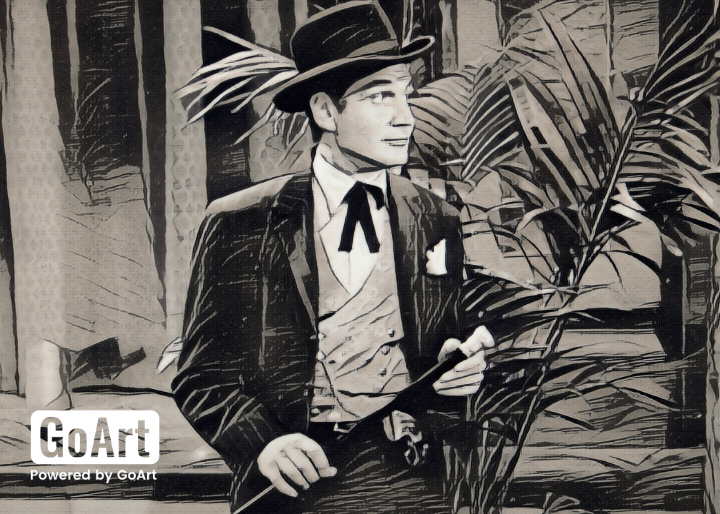
1. “Bat Masterson” | Enjoy being who you are.
Masterson, while trapped in a mine: “Well, William Barclay, looks like you’re going to die in the company you love best.”
Whether it’s the ever-present half-smile or the satisfied twirling of his infamous cane, Bat Masterson, played by the ever-charming Gene Barry, clearly enjoys who he is. He knows what he likes and lives life accordingly, most visibly shown through his signature derby hat and impeccable attire. Importantly, this adherence to his own character and unique tastes is a source of strength rather than a hindrance, as he is neither deterred nor intimidated by those who perceive his appearance as weakness. So, if you want a reminder to search out and maintain those things in life which delight you, catch an episode of “Bat Masterson.”
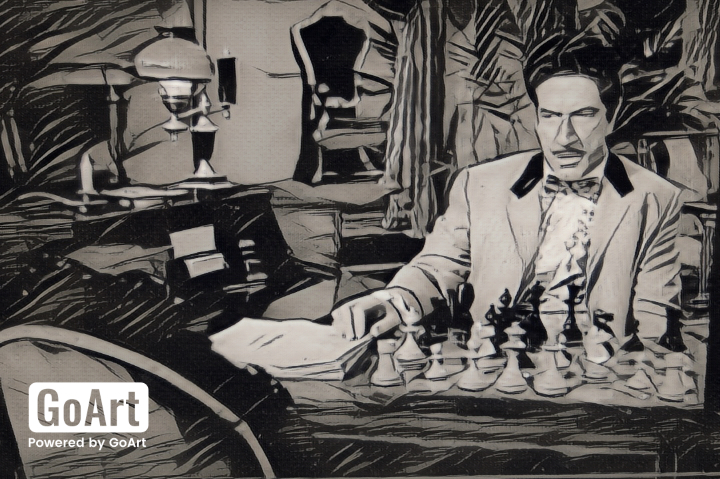
2. “Have Gun – Will Travel” | Be a person of culture.
Paladin, convincing a sheriff to back down a lynch mob: “As the poet Browning wrote, ‘Tis not what man does that exalts him, but what man would do.’ And we three would do right.” Sheriff Swink: “Maybe that poet don’t mind failing, but me, when I put my hand to a thing I like to know it’s gonna be done.” Paladin: “‘Man’s reach should exceed his grasp, Or what’s a heaven for?’ That’s Browning again.”
Always quick to the mythic aspect of the Western setting, Richard Boone’s Paladin, the “knight without armor,” frequently philosophizes, seeing echoes of art, literature, and history in every odd situation his calling card finds. This culturally enriched viewpoint serves as a focalizing lens—the Wild West, for all its distinction, is still common to basic instincts of humanity, placing it on an equal playing field with seemingly disparate times, places, and thoughts. This continuum of experience gives Paladin a stable perspective in an uncertain landscape. Through culture, Paladin is able to see himself as part of a greater whole, an insight into the bigger picture that we would do well to bring to our own unique worlds.

3. “Maverick” | Know what really matters.
“As my old pappy always told me, ‘Son, it’s not how fast you draw that counts. It’s what you draw and when you draw.'”
In a setting that consistently relies upon quick tempers and quicker draws, the Maverick brothers’ cautious approach to life seems nervous at best and cowardly at worst. Yet in reality, Maverick (Jack Kelly or James Garner, as the case may be) trods a sensible path, buoyed by the witticisms of his Pappy, which usually touch on self-preservation and keen appraisal. In a land of rash judgement, Maverick’s ability to hold everyday inconveniences and slights against the value of living is refreshing. When he does take a stand, his reasons are clear and compelling, and the manner in which he does so leaves none of his good sense and cleverness behind. Today, as in olden times, knowing when (and how) to take a stand is a skill well worth noting while watching “Maverick.”
 The Intentional Ordinary